Commercial Flat Roofing
Low-slope roofing with close attention to water movement
Commercial flat and low-slope roofs depend on membrane condition, seams, penetrations, edges, and drainage details working together across a broad surface.

A thoughtful approach
A roof plan shaped around the building
Low-slope roofs have different drainage patterns and details than steep-slope residential systems. Ponding clues, seams, flashings, penetrations, perimeter conditions, drains, and rooftop equipment all deserve a connected review.
We work with owners and property contacts to understand the concern, roof access, building use, and previous work when known. The resulting scope explains visible findings and the proposed repair or replacement approach without disrupting more of the property than necessary.
Drainage-focused inspection
We review visible water paths, drains, scuppers, edges, and low areas along with the roof surface.
Detail evaluation
Seams, flashings, penetrations, curbs, perimeter transitions, and prior repairs receive close attention.
Property coordination
Access, occupied areas, rooftop equipment, and the primary building contact are discussed before work begins.
Scope of service
Commercial low-slope roofing services
The available scope depends on roof material, design, access, visible condition, drainage, and the needs of the occupied property.
- Visual low-slope roof inspections
- Leak and repair evaluation
- Replacement planning
- Seam and flashing review
- Penetrations and rooftop curb details
- Perimeter and roof-edge conditions
- Drain, scupper, and visible water-path review
What to expect
A clear process from first look to final walkthrough
-
1
Review the building and concern
We discuss roof history when known, access, leaks, drainage, equipment, and normal property operations.
-
2
Inspect visible conditions
We examine safely accessible membrane, seams, flashings, penetrations, perimeter, and drainage details.
-
3
Define the scope
We explain repair or replacement considerations and document the work and coordination needs.
-
4
Complete and communicate
The agreed work proceeds with updates to the designated contact and a review at completion.
Made for Colorado
Low-slope roofing for Aurora properties
Aurora commercial roofs face sun, hail, wind, snow, and changing temperatures across large exposed surfaces. Seams, penetrations, and perimeter details can experience different stresses than the center of the roof.
Snowmelt and summer downpours make clear drainage paths important on low-slope systems. Drains and scuppers should be considered alongside surface condition because slow-moving water can reveal subtle low areas or blocked routes.
Helpful answers
Commercial Flat Roofing FAQs
Can a commercial flat roof leak be repaired?
Some leaks can be addressed locally, while widespread membrane, seam, drainage, or substrate concerns may require a broader scope. Inspection findings guide the recommendation.
Why does water remain on a low-slope roof?
Visible standing water can relate to drainage routes, debris, roof geometry, deflection, or prior work. We inspect observable conditions and explain when further evaluation is appropriate.
Can you coordinate with a property manager or building contact?
Yes. We establish the authorized contact, access plan, communication method, and occupied-area considerations before scheduling work.
Keep exploring
Related roofing services

Roof Inspections
A roof inspection gives you a clearer view of visible wear, storm concerns, leak clues, and maintenance needs before you decide what to do next.
Learn more
Roof Repair
A missing shingle, active leak, or damaged flashing deserves a close look. We inspect the affected area, explain what we can see, and outline a practical repair scope.
Learn more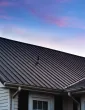
Metal Roofing
Metal roofing offers a distinct look and long-term approach, but panels, seams, fasteners, flashing, and trim must work together as one system.
Learn moreLet’s talk about your property
Need a low-slope roof evaluation?
Tell us what you are seeing and what you would like to accomplish. We will help you find a practical next step.